
Health home care is an increasingly important part of modern healthcare, especially for individuals who need ongoing medical support but prefer to stay in the comfort of their own homes. With rising healthcare costs, aging populations, and a growing focus on patient-centered care, health home care offers a safe, effective, and compassionate alternative to hospital or long-term facility care.
In this blog, we will clearly explain what health home care is, who it is for, its benefits, and why it is becoming a trusted healthcare solution.

What Is Health Home Care?
Health home care refers to professional medical and non-medical services provided to individuals in their own homes. These services are designed to help patients recover from illness, manage chronic conditions, or receive long-term care while maintaining independence and dignity.
Health home care can include skilled medical care such as nursing, physiotherapy, and medication management, as well as personal support like assistance with daily activities, hygiene, and mobility. Care plans are typically personalized based on a patient’s medical condition, doctor’s recommendations, and family needs.
Who Can Benefit From Health Home Care?

Health home care is suitable for people of all ages who require medical attention or assistance at home. Common beneficiaries include:
- Elderly individuals who need help with daily living or chronic disease management
- Patients recovering after surgery or hospitalization
- People with chronic illnesses such as diabetes, heart disease, or respiratory conditions
- Individuals with disabilities or mobility challenges
- Patients needing palliative or end-of-life care
Doctors often recommend home care when hospital treatment is no longer necessary, but professional monitoring and support are still required.
Types of Health Home Care Services
Health home care services can vary depending on the patient’s needs. Some of the most common services include:
1. Skilled Nursing Care
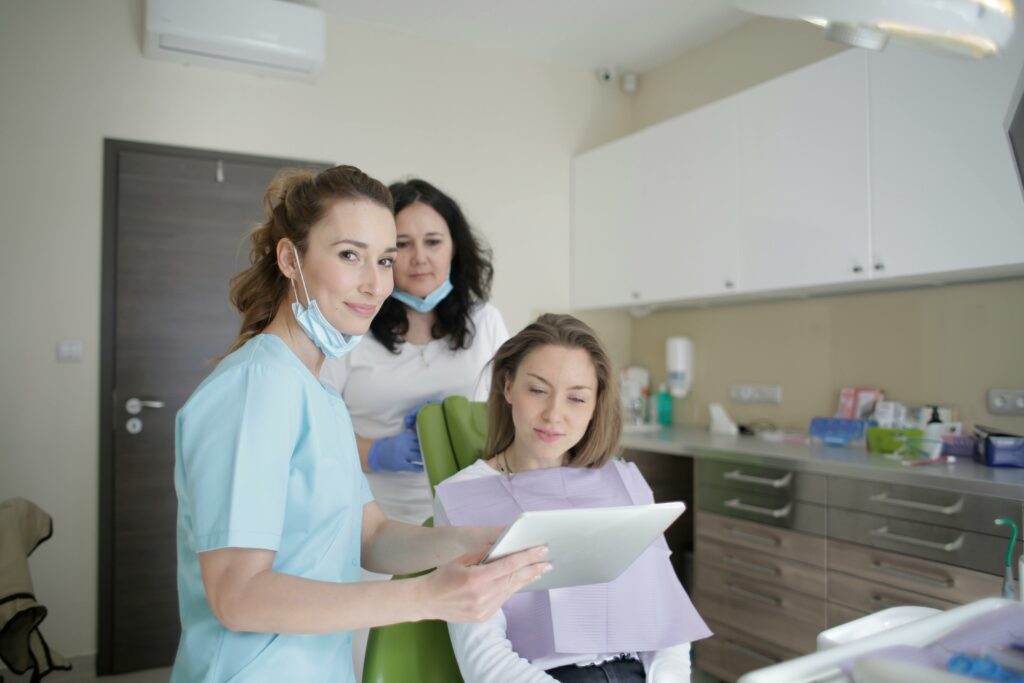
Provided by licensed nurses, this includes wound care, injections, IV therapy, catheter care, vital sign monitoring, and medication administration.
2. Physiotherapy and Rehabilitation
Physiotherapists help patients regain strength, mobility, and balance after injury, surgery, or stroke through personalized exercise programs.

3. Doctor Visits at Home
In some cases, doctors visit patients at home for consultations, follow-ups, and treatment planning.

4. Personal and Elder Care
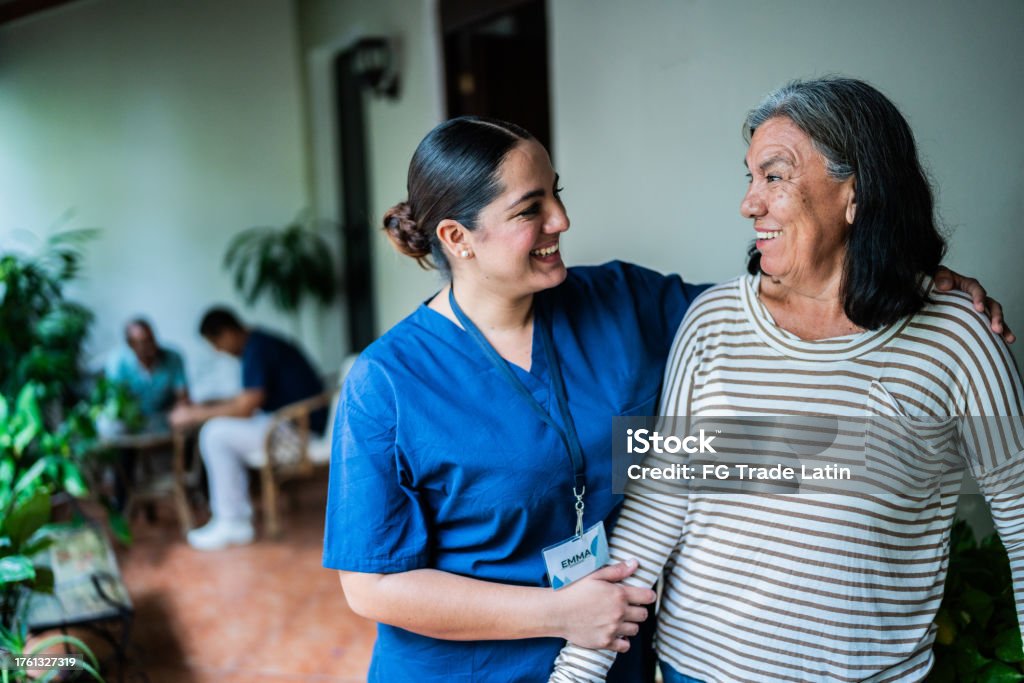
This includes help with bathing, dressing, feeding, toileting, and companionship, ensuring comfort and emotional well-being.
5. Palliative and Chronic Care
For patients with serious or long-term illnesses, home care focuses on pain management, comfort, and quality of life.
Benefits of Health Home Care
Health home care offers several advantages over traditional hospital-based care:

Comfort and Familiar Environment
Being at home helps patients feel relaxed and emotionally secure, which can support faster recovery.
Personalized Attention
Unlike hospitals where staff manage multiple patients, home care provides one-on-one, focused care tailored to individual needs.
Reduced Risk of Infections
Home settings lower the risk of hospital-acquired infections, especially for elderly or immunocompromised patients.
Cost-Effective Care
Home care often costs less than prolonged hospital stays while delivering high-quality medical support.
Family Involvement
Family members can stay actively involved in care, improving communication and trust.
Is Health Home Care Safe and Reliable?
Yes, when provided by trained and certified healthcare professionals, health home care is both safe and effective. Reputable home care providers follow medical protocols, hygiene standards, and doctor-approved care plans. Many services also include regular reporting, supervision, and emergency support.
It is important to choose a provider with qualified staff, transparent processes, and a strong reputation for quality care.
The Growing Importance of Health Home Care
With increasing life expectancy and a rise in chronic diseases, healthcare systems are shifting toward home-based solutions. Health home care aligns with global healthcare goals by improving patient outcomes, reducing hospital burden, and offering compassionate care where patients feel most comfortable.
According to healthcare experts, home care not only supports physical recovery but also improves mental and emotional well-being—making it a holistic approach to healthcare.

Conclusion
Health home care is a trusted and effective healthcare solution that brings professional medical services directly to patients’ homes. It combines medical expertise, personalized attention, and emotional comfort, making it ideal for elderly care, post-hospital recovery, and chronic disease management.
As awareness grows and healthcare needs evolve, health home care continues to play a vital role in improving quality of life while ensuring safety, dignity, and expert care at home.
If you are considering healthcare options for yourself or a loved one, health home care may be the right step toward better, more compassionate healing.