A nebuliser machine plays a critical role in modern respiratory care, helping patients breathe easier by delivering medication directly into the lungs. Widely used in hospitals, clinics, and home healthcare settings, nebulisers have become a trusted solution for managing respiratory conditions such as asthma, chronic obstructive pulmonary disease (COPD), bronchitis, and respiratory infections.
As part of essential Durable Medical Equipment (DME), a nebuliser machine is often used alongside devices like stethoscopes, oxygen concentrators, and even medical ventilators to support comprehensive respiratory treatment.
Click here:For Home
What Is a Nebuliser Machine?
A N.M is a medical device that converts liquid medication into a fine mist that can be inhaled through a mask or mouthpiece. This method ensures fast and effective medication delivery directly to the airways, making it especially beneficial for patients who struggle with inhalers, including children and elderly individuals.
From hands-on clinical experience, healthcare professionals often recommend nebulisers when precise and consistent medication dosing is required, particularly during acute breathing episodes.
How a Nebuliser Machine Works
The nebuliser machine uses compressed air or ultrasonic technology to break medication into microscopic droplets. These droplets are inhaled deeply into the lungs, allowing faster relief compared to oral medications.
Key Components:
- Compressor or ultrasonic unit
- Medication cup
- Mask or mouthpiece
- Air tubing
Medical professionals commonly monitor treatment effectiveness using stethoscopes, listening for improved airflow and reduced wheezing after nebulisation.
Conditions Treated Using a Nebuliser Machine
Nebulisers are prescribed for a wide range of respiratory and pulmonary conditions, including:
- Asthma attacks
- COPD and emphysema
- Pneumonia and bronchitis
- Allergic airway reactions
- Pediatric respiratory infections
In severe cases, nebuliser therapy may be used in conjunction with an oxygen concentrator or under supervision in patients supported by a medical ventilator.
Nebuliser Machine as Part of Durable Medical Equipment (DME)
The nebuliser machine is classified under DME, meaning it is designed for long-term use, is medically necessary, and supports patient recovery or condition management. DME devices are widely trusted in both hospital and home-care settings.
Other commonly used DME devices include:
- Oxygen concentrators
- Medical ventilators
- Suction machines
- Patient monitoring tools
This classification ensures quality standards, safety compliance, and professional medical approval.
Nebuliser Machine vs Inhalers
While inhalers are convenient, they require proper technique, which can be challenging for some patients. A nebuliser machine offers several advantages:
| Feature | Nebuliser Machine | Inhaler |
|---|---|---|
| Ease of use | Very easy | Technique-dependent |
| Medication delivery | Continuous mist | Single dose |
| Ideal for children & elderly | Yes | Often difficult |
| Severe conditions | More effective | Limited |
Healthcare experts often prefer nebulisers during acute respiratory distress for reliable drug delivery.
Nebuliser Machine for Home Healthcare
With the rise of home-based medical care, nebuliser machines have become increasingly common in households. Families managing chronic respiratory conditions value the convenience, safety, and effectiveness of at-home nebulisation therapy.
From practical experience, patients receiving regular nebuliser therapy at home often experience:
- Fewer hospital visits
- Better symptom control
- Improved quality of life
- Reduced dependency on emergency care
A trusted home healthcare provider will ensure proper device usage, hygiene, and maintenance.
Safety, Maintenance, and Hygiene
Maintaining a nebuliser machine is crucial for patient safety and treatment effectiveness.
Best Practices:
- Clean the medication cup and mask after every use
- Use sterile or prescribed medication only
- Replace filters as recommended
- Store the device in a clean, dry environment
Medical authorities stress that poor hygiene can lead to infections, making proper maintenance essential for safe therapy.
Nebuliser Machine in Advanced Respiratory Care
In advanced care settings, nebulisers are often integrated into complex respiratory management plans. Patients requiring oxygen therapy may use a nebuliser machine alongside an oxygen concentrator, while critical patients may receive nebulised medication through a medical ventilator under clinical supervision.
This layered approach highlights the importance of nebulisers within modern respiratory medicine.
Trust, Expertise, and Medical Guidance
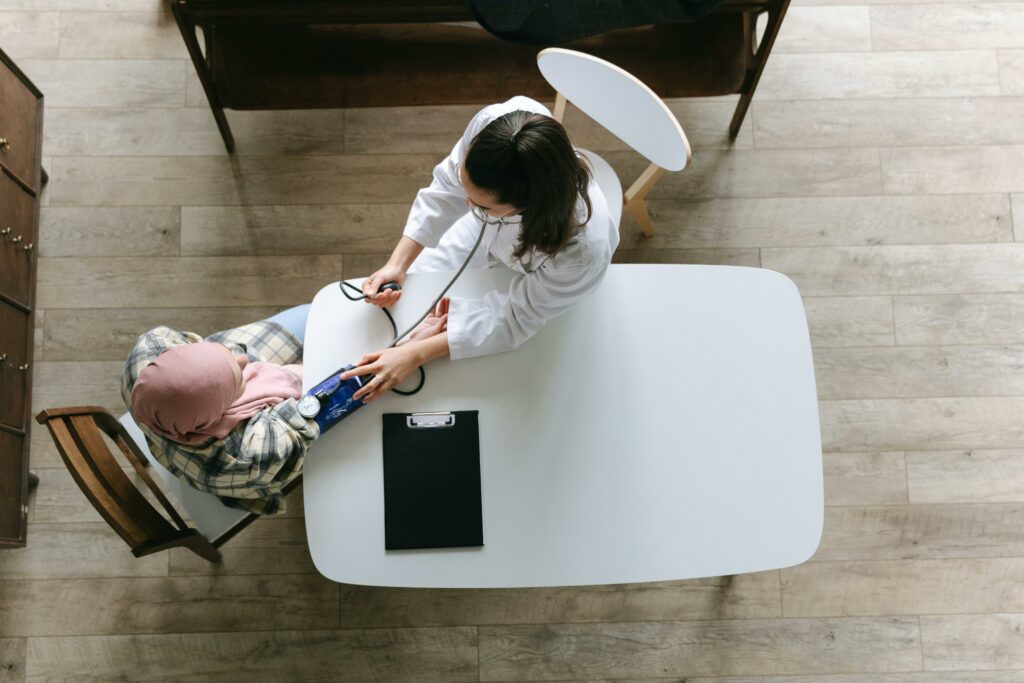
The effectiveness of a nebuliser machine depends not just on the device, but on professional guidance. Doctors, respiratory therapists, and trained nurses determine medication type, dosage, and treatment duration.
Healthcare providers rely on evidence-based protocols and years of clinical expertise to ensure safe and effective nebuliser therapy. Choosing medically approved devices and following expert advice builds trust and ensures optimal outcomes.
Choosing the Right N.M
When selecting a nebuliser machine, consider:
- Doctor recommendation
- Noise level and portability
- Ease of cleaning
- Certification and quality standards
Reputable medical suppliers ensure compliance with healthcare regulations and provide after-sales support.

Conclusion
A N.M is an indispensable medical device in respiratory care, trusted by healthcare professionals worldwide. As part of essential DME, it works alongside tools like stethoscopes, oxygen concentrators, and medical ventilators to support effective breathing therapy.
Whether used in hospitals or at home, a nebuliser machine offers reliable, safe, and targeted medication delivery—helping patients breathe better and live healthier lives.