
Health care is the backbone of a healthy society. It goes beyond treating illness—it focuses on prevention, recovery, long-term support, and overall well-being. As lifestyles change and populations age, the demand for accessible, reliable, and patient-centered health care has grown rapidly. From hospitals and nursing homes to home health care services, modern health care now adapts to individual needs more than ever before.
With professional expertise, advanced medical systems, and compassionate care, health care plays a vital role in improving quality of life at every stage.
For More Blogs: Click here
Understanding Health Care in Today’s World
Healthcare refers to the organized provision of medical services to maintain, restore, or improve physical and mental health. It includes preventive care, diagnosis, treatment, rehabilitation, and ongoing support.
From real-world experience in caregiving and medical services, one truth stands out: effective health care is not just about curing disease, but about supporting people holistically—physically, emotionally, and socially.
Types of Health Care Services
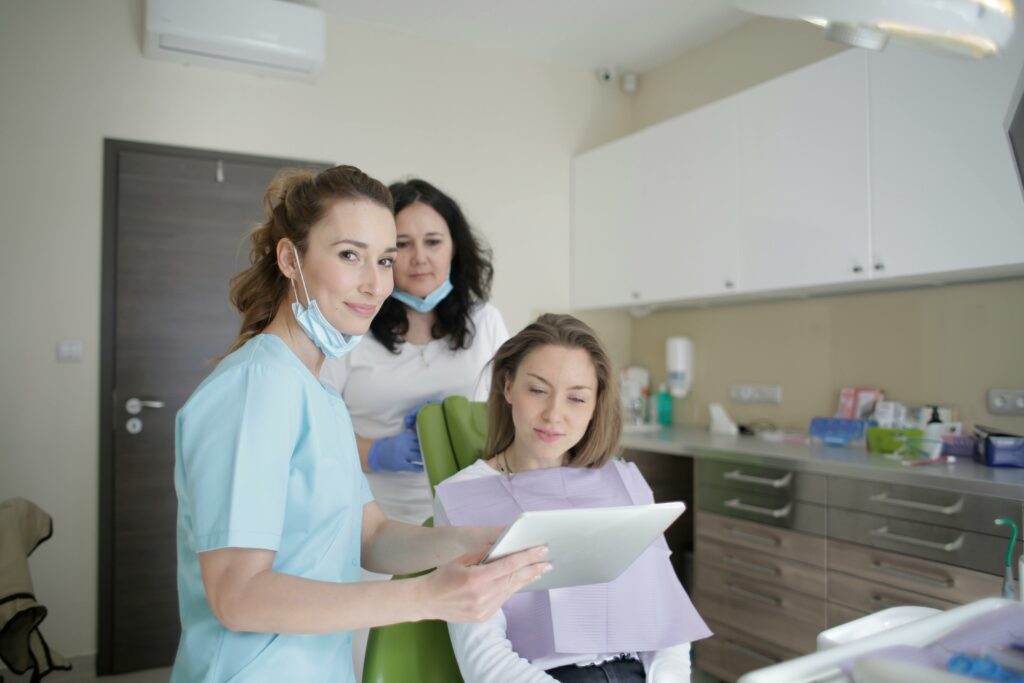
Modern healthcare systems offer a wide range of services tailored to different needs:
1. Preventive and Well Care
Well care focuses on preventing illness before it begins. This includes:
- Regular health checkups
- Vaccinations
- Health screenings
- Lifestyle and nutrition guidance
Medical experts emphasize that preventive care significantly reduces the risk of chronic diseases and lowers long-term medical costs.
2. Primary and Acute Health Care
Primary care doctors serve as the first point of contact for most health concerns. Acute care addresses short-term medical issues such as infections, injuries, or sudden illnesses.
This level of healthcare ensures timely diagnosis and treatment, helping patients recover faster and avoid complications.
3. Home Health Care Services
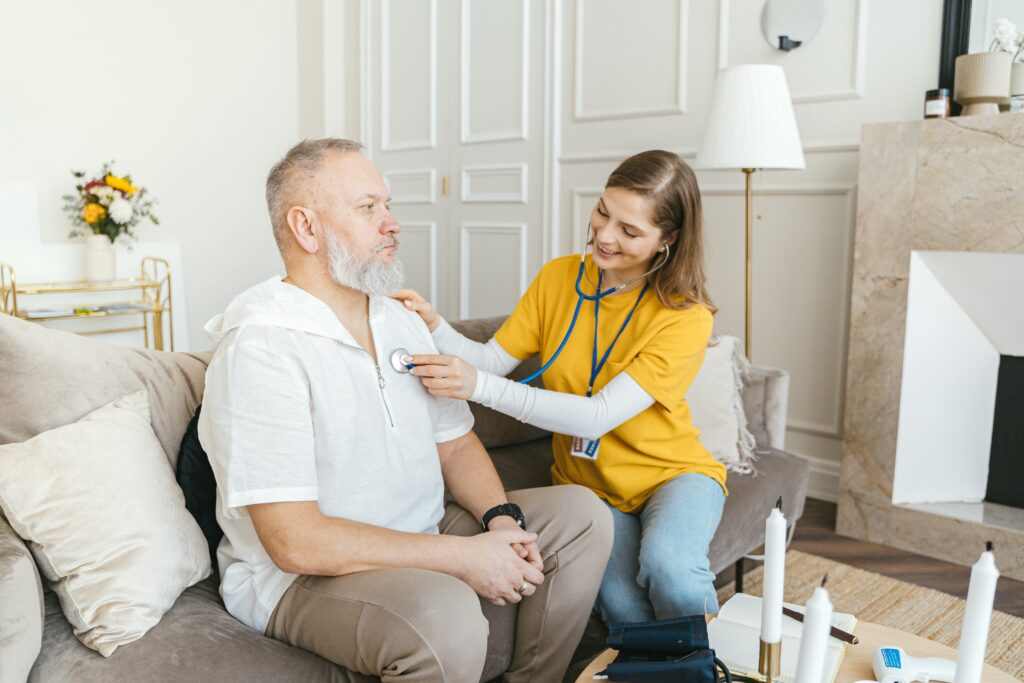
Home healthcare services have become an essential part of modern healthcare. These services provide medical and non-medical support at a patient’s home, offering comfort and convenience.
Common home healthcare services include:
- Skilled nursing care
- Medication management
- Post-surgery recovery support
- Elderly care and chronic disease management
From professional experience, patients receiving care at home often show better emotional well-being and faster recovery due to familiar surroundings.

4. Long-Term Care and Nursing Homes
For individuals who require continuous medical supervision, a nursing home provides structured, round-the-clock care. Nursing homes are staffed with trained nurses and caregivers who support daily activities, medical needs, and rehabilitation.
While nursing homes play a crucial role in long-term care, many families now balance institutional care with home-based services for a more personalized approach.
The Role of Medi Care in Health Care Access
Medi care programs play a significant role in making healthcare accessible and affordable, especially for senior citizens and individuals with long-term medical needs. These programs help cover medical expenses such as hospital care, doctor visits, preventive services, and sometimes home healthcare.
Healthcare professionals often guide patients on how Medi care benefits can support:
- Preventive well care
- Chronic disease treatment
- Home health care services
- Rehabilitation and recovery
Access to Medi care strengthens trust in the health system and ensures continuity of care.

Importance of Home Health Care Services
Home-based care has transformed the way healthcare is delivered. Instead of frequent hospital visits, patients can now receive professional care at home without compromising medical quality.
Benefits of Home Health Care Services:
- Personalized one-on-one care
- Reduced risk of hospital-acquired infections
- Faster recovery in a familiar environment
- Lower emotional stress for patients and families
- Cost-effective compared to long hospital stays
Healthcare authorities widely recognize home care as a safe and effective alternative for many medical conditions.
Health Care for the Elderly Population
As people age, health care needs become more complex. Seniors often require a combination of well care, medical treatment, and daily living support.
A balanced approach may include:
- Preventive checkups and screenings
- Home health care services for daily assistance
- Nursing home care for advanced medical needs
- Medi care coverage for affordability
Expert-led senior healthcare focuses on dignity, independence, and quality of life.

Trust, Expertise, and Ethics in Health Care
Trust is the foundation of effective health care. Patients rely on healthcare professionals to act in their best interest, follow ethical standards, and provide evidence-based treatment.
Key Elements of Trustworthy Health Care:
- Qualified and experienced medical professionals
- Transparent communication and informed consent
- Patient safety and confidentiality
- Continuous training and quality standards
Healthcare institutions and providers build authority through clinical expertise, professional accreditation, and adherence to medical guidelines.
Integrating Well Care into Everyday Life
Well care is not limited to hospitals or clinics—it is a daily commitment. Doctors and health experts consistently encourage individuals to adopt healthy habits such as:
- Balanced nutrition
- Regular physical activity
- Stress management
- Adequate sleep
- Routine medical checkups
When well care becomes a lifestyle, the overall burden on the healthcare system is reduced, benefiting both individuals and communities.
The Future of HealthCare
Healthcare continues to evolve with technology, digital health tools, and patient-centered models. Telemedicine, remote monitoring, and home healthcare services are shaping a future where quality care is more accessible and personalized.
Medical experts believe that combining preventive well care, home-based services, and institutional support will create a more resilient and effective healthcare system.
Conclusion
Healthcare is more than a service—it is a lifelong partnership between individuals, families, and medical professionals. Whether through preventive well care, trusted home health care services, structured nursing home support, or accessible Medi care programs, comprehensive health care ensures safety, dignity, and better quality of life.
By choosing reliable healthcare solutions and prioritizing prevention, individuals can build a healthier future for themselves and their loved ones.