
As families grow busier and medical needs become more complex, one question keeps coming up again and again: What is the best way to care for aging parents or recovering patients without compromising dignity, comfort, or safety?
For many Indian families today, the answer lies in patient home care services—a fast-growing healthcare model that brings professional medical and personal care directly into the home.
This shift isn’t just about convenience. It’s about trust, emotional well-being, medical continuity, and quality of life, especially when it comes to senior caregiving and caring seniors with chronic conditions or mobility challenges.
Click here : For more blogs
Understanding Patient Home Care Services
Patient home care services refer to professional healthcare and personal support provided at a patient’s residence instead of a hospital or care facility. These services are designed for individuals who need ongoing medical attention, post-hospital recovery support, or long-term assistance due to age or illness.
Unlike occasional home visits, structured home care services often include:
- Trained nurses and caregivers
- Doctor consultations at home
- Physiotherapy and rehabilitation
- Medication management
- Palliative and chronic care
- Assistance with daily living activities
This model is especially effective for elderly patients, post-surgery recovery, stroke rehabilitation, and long-term illnesses like diabetes, Parkinson’s, or Alzheimer’s.
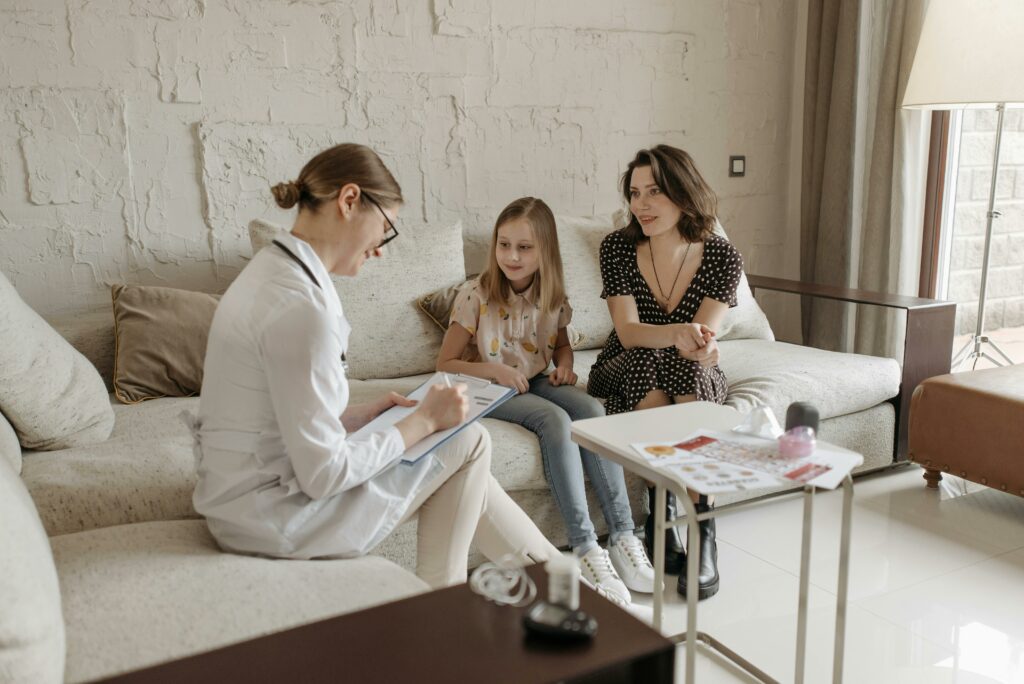
Why Patient Home Care Services Are Replacing Traditional Care Models
Many families still search online for “old age homes near me” when senior care becomes overwhelming. While old age homes serve a purpose, they are no longer the first or best choice for many seniors.
1. Emotional Comfort of Home
Home is familiar. For seniors, staying in their own environment reduces anxiety, confusion, and depression—especially for those with memory-related conditions.
2. Personalized Medical Attention
Hospitals and institutions often operate on fixed schedules. Home care, on the other hand, is customized to the patient’s medical needs, routines, and preferences.
3. Reduced Infection Risk
Elderly patients are more vulnerable to infections. Home care significantly lowers exposure compared to hospitals or shared facilities.
4. Family Involvement
Patient home care services allow families to stay actively involved in caregiving decisions, building trust and transparency.
Senior Caregiving at Home: More Than Just Medical Support
Senior caregiving is not limited to checking vitals or administering medicines. True caregiving focuses on the physical, emotional, and psychological well-being of aging individuals.
Professional caregivers assist with:
- Bathing, grooming, and hygiene
- Mobility and fall prevention
- Feeding and nutrition monitoring
- Companionship and emotional support
- Cognitive engagement for mental health
For families who want their parents to age gracefully without feeling “placed away,” home care offers a respectful and dignified alternative.
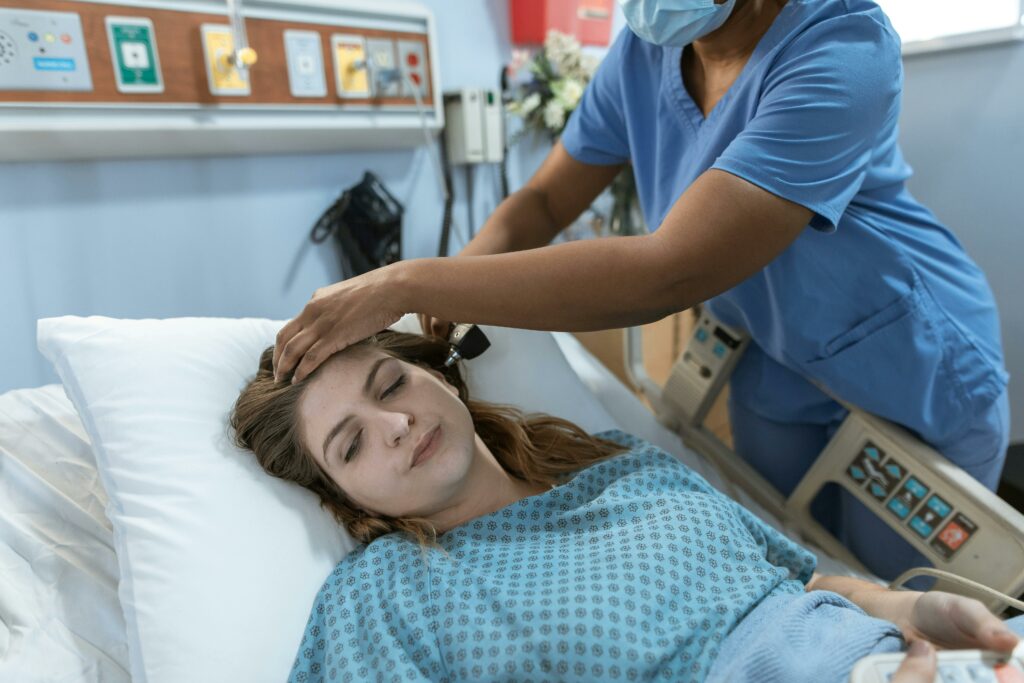
Caring Seniors with Chronic Conditions
As life expectancy increases, so does the prevalence of chronic illnesses. Caring for seniors with long-term conditions requires consistency, expertise, and patience.
Patient home care services play a critical role in managing:
- Diabetes and hypertension
- Post-stroke rehabilitation
- Arthritis and mobility disorders
- Dementia and Alzheimer’s care
- Parkinson’s disease
- Cancer and palliative care
With trained nurses and therapists visiting regularly, patients receive hospital-level care without hospital stress.
Old Age Homes Near Me vs. Home Care: Making the Right Choice
Searching for old age homes near me is often driven by concern, not preference. Many families feel they have no choice when care needs increase.
However, comparing the two options highlights why home care is often superior:
| Old Age Homes | Patient Home Care Services |
|---|---|
| Shared attention | One-on-one care |
| Fixed routines | Personalized schedules |
| Emotional separation | Family presence |
| Institutional environment | Familiar home setting |
Unless a senior requires 24/7 institutional monitoring, home care is often the more humane and effective solution.
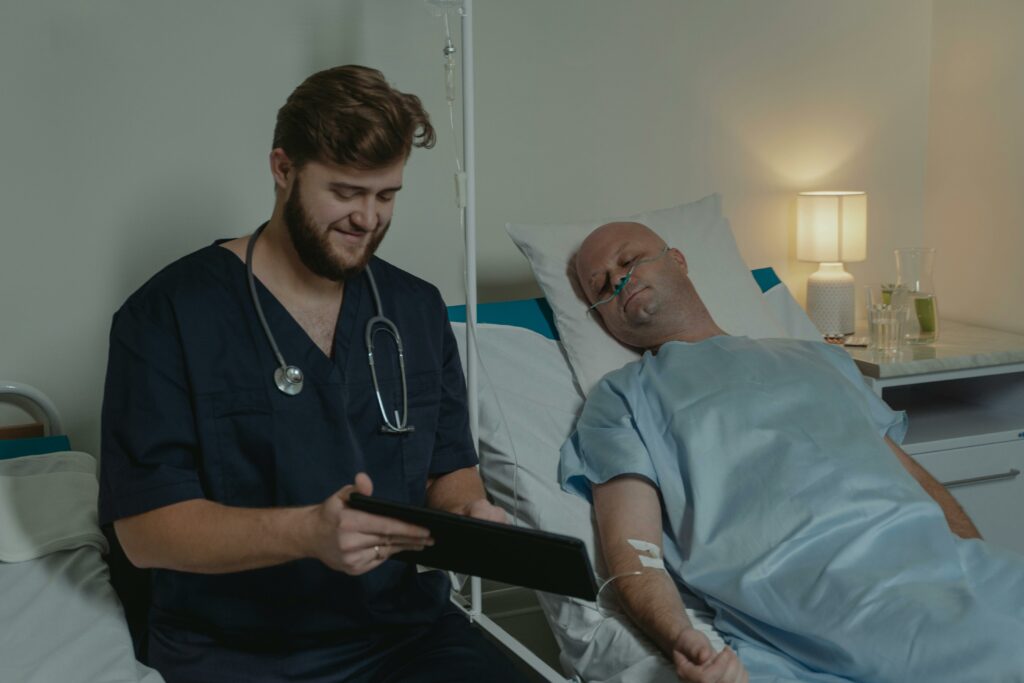
The Role of Trusted Providers Like HCAH
Choosing the right provider is critical. Reputed organizations like HCAH (HealthCare atHOME) have transformed patient home care services by combining medical expertise with structured care protocols.
Established providers typically offer:
- Credential-verified nurses and caregivers
- Clinical supervision and care plans
- Emergency escalation support
- Transparent pricing and service tracking
- Multi-city availability
Working with an experienced provider ensures safety, reliability, and continuity of care—key pillars of EEAT (Experience, Expertise, Authoritativeness, and Trustworthiness).
How Patient Home Care Services Improve Recovery Outcomes
Multiple studies and real-world experiences show that patients recover faster at home when supported correctly.
Benefits include:
- Better medication adherence
- Faster post-surgery healing
- Improved mental health
- Lower readmission rates
- Higher patient satisfaction
For seniors especially, familiar surroundings combined with professional care create an ideal healing environment.

When Should You Consider Patient Home Care Services?
You should consider home care if:
- A loved one has been recently discharged from a hospital
- Daily medical monitoring is required
- Mobility is limited due to age or injury
- Cognitive decline is affecting safety
- Family caregivers are physically or emotionally overwhelmed
Early adoption of home care often prevents medical complications and caregiver burnout.
Building Trust: What EEAT Means in Senior Care Content
When discussing healthcare, trust matters more than marketing. EEAT principles ensure that information is:
- Experience-based: Rooted in real caregiving scenarios
- Expert-driven: Aligned with medical best practices
- Authoritative: Backed by trained professionals and institutions
- Trustworthy: Transparent, ethical, and patient-focused
Reliable patient home care services operate under these same principles—placing patient safety and dignity above all else.
The Future of Senior Care Is at Home
India’s aging population, rising healthcare costs, and changing family structures are reshaping elder care. Patient home care services are no longer a luxury—they are a necessity.
For families seeking a balance between professional healthcare and emotional connection, home care provides the best of both worlds.
Whether you are caring for aging parents, recovering from surgery, or managing a chronic illness, home-based care offers comfort, control, and compassion—right where it matters most.
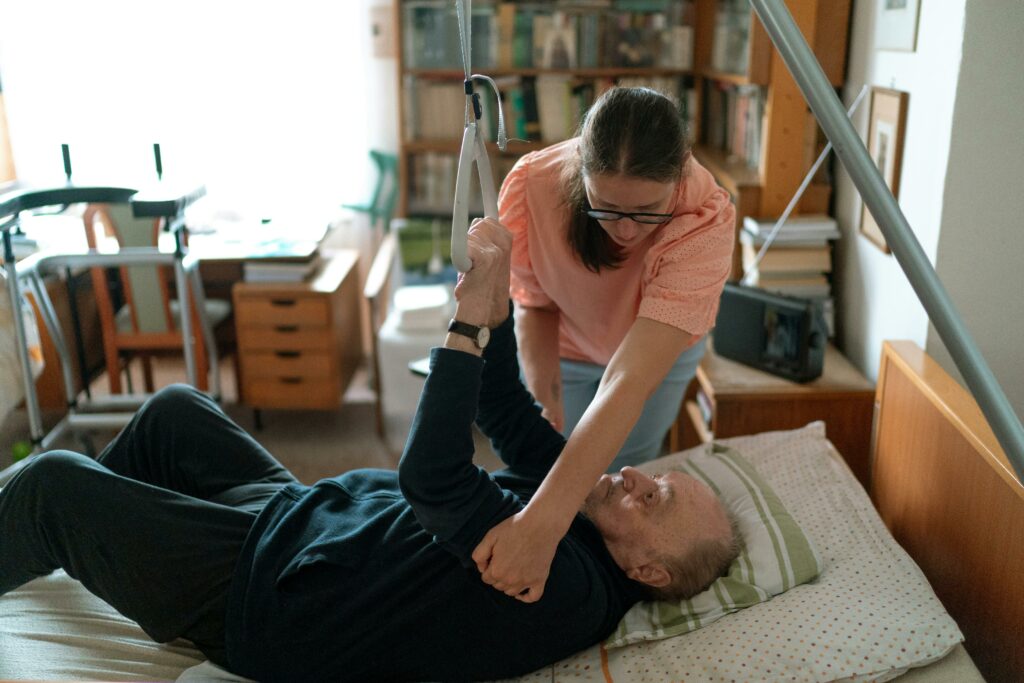
Final Thought
Before searching again for old age homes near me, ask a more important question:
Can my loved one receive better care, dignity, and happiness at home?
In many cases, the answer is yes—through trusted patient home care services designed for modern families and caring seniors with respect.