
Choosing a nursing home is one of the most important healthcare decisions families make for their loved ones. When age, chronic illness, disability, or recovery needs become too complex to manage independently, a nursing home provides structured medical care, daily assistance, and a safe environment designed to support long-term well-being.
At the same time, many families also explore alternatives such as home help care services, home caregivers near me, or an at home nurse. Understanding how a nursing home fits within the broader spectrum of care helps families make informed, confident decisions.

Click here : For Services
What Is a Nursing Home?
A nursing home is a residential healthcare facility that offers 24/7 medical supervision, skilled nursing care, and assistance with daily activities. Unlike short hospital stays, nursing homes are designed for individuals who require continuous care over an extended period.
From professional caregiving experience, nursing homes are especially beneficial for patients who need:
- Ongoing medical monitoring
- Assistance with mobility and daily living
- Medication management
- Rehabilitation and recovery support
They combine medical expertise with personal care, ensuring residents receive both clinical attention and emotional support.
Who Needs a Nursing Home?
A nursing home may be the right choice for individuals who:
- Are elderly and need constant supervision
- Have chronic or progressive conditions
- Are recovering from major surgery or illness
- Require assistance with most daily activities
While home help and home-based care can meet many needs, certain medical conditions require the round-the-clock presence of trained healthcare professionals that only a nursing home can provide.
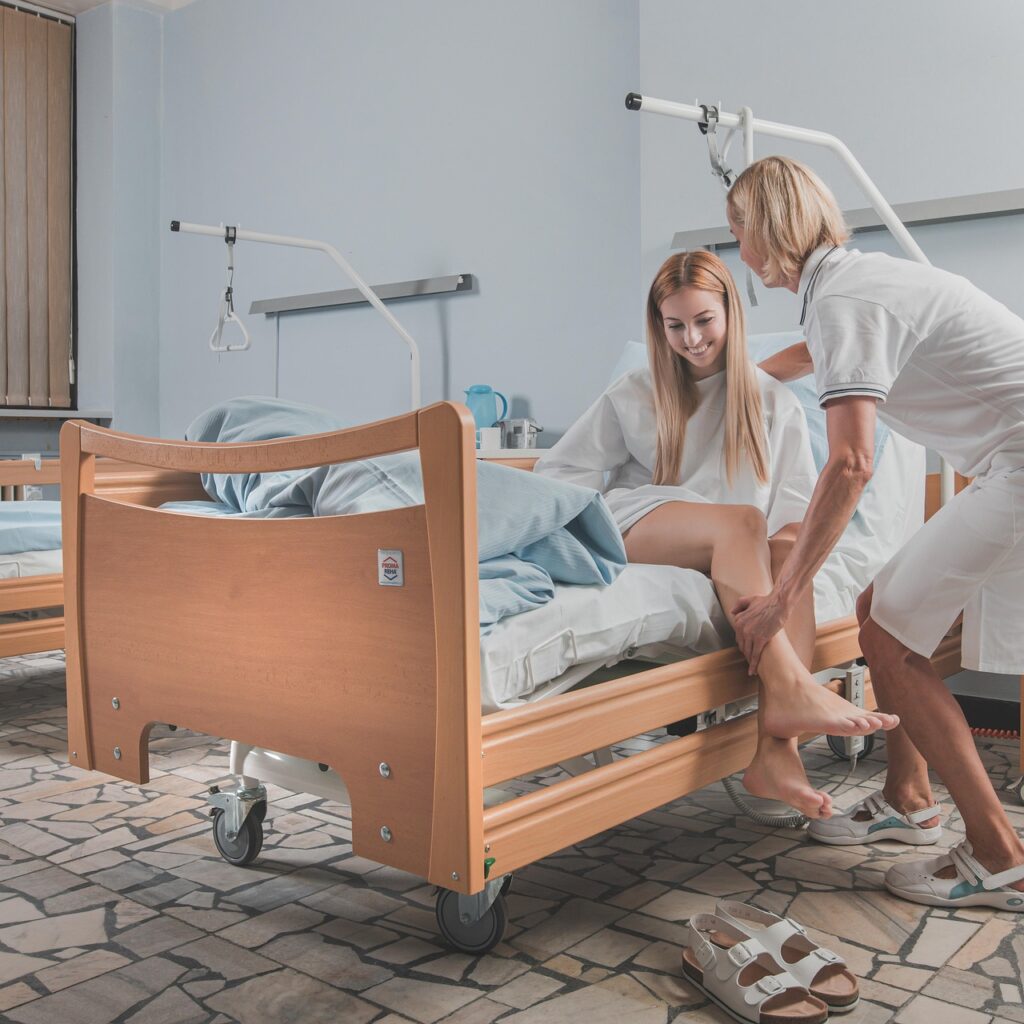
Services Provided in a Nursing Home
A well-managed nursing home delivers comprehensive services tailored to residents’ medical and personal needs.
1. Skilled Nursing and Medical Care
- 24/7 nursing supervision
- Medication administration
- Vital signs monitoring
- Wound care and injections
- Chronic disease management
Doctors and nurses work together to ensure continuity of care and quick response to health changes.
2. Assistance with Daily Living
- Bathing, grooming, and hygiene
- Feeding and nutrition support
- Mobility assistance and fall prevention
- Toileting and continence care
This level of personal care ensures dignity and safety for residents.
3. Rehabilitation and Therapy
- Physiotherapy for mobility and strength
- Occupational therapy for daily activities
- Speech therapy when needed
These services help residents maintain independence or regain lost abilities.

A Nursing Home vs Home-Based Care
Many families compare a nursing home with options like home help care services, home caregivers near me, or hiring an at home nurse.
When Home Care May Be Enough:
- The individual needs part-time assistance
- Medical conditions are stable
- Family support is available
- The home environment is safe
When a Nursing Home Is More Suitable:
- Medical needs are complex or unstable
- 24/7 supervision is required
- Frequent nursing interventions are needed
- Family caregivers are overwhelmed
Healthcare professionals often recommend nursing homes when patient safety and continuous care cannot be guaranteed at home.
Role of Home Help Care Services in the Care Journey
Home help care services play an important role before or after nursing home care. These services may include:
- Temporary recovery support
- Assistance with daily tasks
- Short-term nursing visits
- Post-discharge care from a nursing home
Many families transition between home care and nursing home care as health needs change.

Importance of Trained Staff and Medical Expertise
The quality of a nursing home depends heavily on its staff. Trustworthy nursing homes employ:
- Registered nurses
- Certified caregivers
- Physiotherapists and therapists
- Medical consultants
Authoritative healthcare standards require ongoing staff training, adherence to safety protocols, and ethical caregiving practices. These factors build trust and ensure residents receive evidence-based care.
Emotional and Social Support in a Nursing Home
Health care is not only physical—it is emotional and social as well. Nursing homes provide structured routines, social interaction, and emotional support that help residents feel connected and valued.
Activities often include:
- Group exercises and games
- Recreational and cultural programs
- Family visits and engagement
- Companionship and counseling support
From experience, residents who engage socially often show better mental health and overall satisfaction.
Safety, Trust, and Ethical Care
Trust is a cornerstone of nursing home care. Reputed nursing homes maintain:
- Strict hygiene and infection-control standards
- Transparent communication with families
- Patient confidentiality and dignity
- Emergency response protocols
Families are encouraged to visit regularly, communicate openly with staff, and stay involved in care planning.

Combining Nursing Home Care with At Home Nurse Support
In some cases, families use a blended care approach. After discharge from a nursing home, an at home nurse may continue care at home, ensuring a smooth transition and reducing readmission risks.
This combination provides:
- Continuity of medical care
- Personalized recovery support
- Reduced caregiver stress
- Better long-term outcomes
How to Choose the Right Nursing Home
When selecting a nursing home, consider these expert-backed factors:
✔ Medical Capabilities
Ensure the facility can handle specific medical conditions.
✔ Staff Qualifications
Ask about nurse-to-patient ratios and caregiver training.
✔ Cleanliness and Safety
Observe hygiene standards and safety measures.
✔ Reputation and Reviews
Feedback from other families builds confidence and trust.
✔ Family Communication
Transparent updates and involvement are essential.

Conclusion
A nursing home plays a vital role in long-term healthcare by providing professional medical supervision, daily assistance, and emotional support in a safe environment. While home help care services, home caregivers near me, and an at home nurse are valuable alternatives, nursing homes remain the most reliable option when round-the-clock care is required.
By choosing the right care setting at the right time, families can ensure their loved ones receive compassionate, expert-led care that prioritizes dignity, safety, and quality of life.