
Critical care nursing is one of the most specialized and demanding fields in modern healthcare. It focuses on providing intensive, round-the-clock care to patients with life-threatening conditions who require constant monitoring, advanced medical interventions, and immediate clinical decision-making. These nurses are often the first line of defense during medical emergencies, playing a crucial role in saving lives and supporting recovery.
From hospitals and intensive care units (ICUs) to emergency departments and even advanced home-care settings, critical care nursing combines clinical expertise, advanced technology, and compassionate care.
Click here: For more blogs
What Is Critical Care Nursing?
Critical care nursing involves caring for patients who are critically ill or unstable due to severe injury, trauma, infection, organ failure, or post-surgical complications. These patients require continuous assessment and immediate response to changes in their condition.
Critical care nurses are typically highly trained registered nurses who specialize in managing complex medical situations. Their responsibilities go far beyond routine nursing tasks—they interpret vital data, operate life-support equipment, and collaborate closely with physicians and specialists.
From professional healthcare experience, critical care nurses are valued for their ability to stay calm under pressure while delivering precise, evidence-based care.
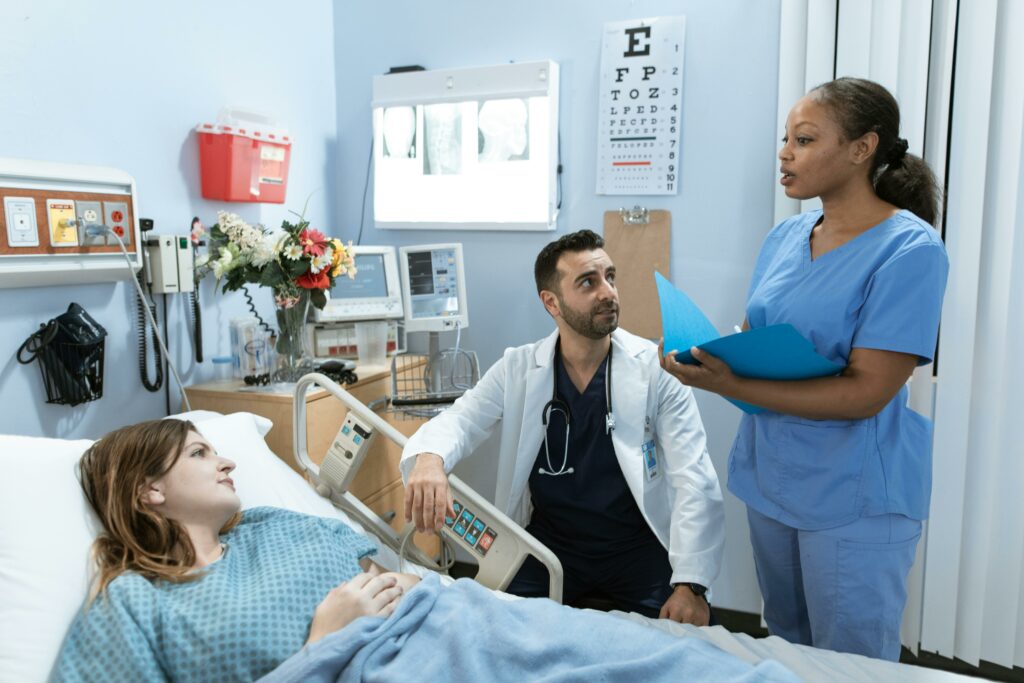
Role of Registered Nurses in Critical Care
A registered nurse in critical care settings undergoes advanced clinical training to manage high-risk patients. Their responsibilities include:
- Continuous monitoring of vital signs
- Administration of critical medications
- Operation of ventilators and monitoring devices
- Early detection of complications
- Coordinating care with doctors and specialists
Registered nurses in critical care units are trained to act quickly and decisively, often making life-saving interventions within seconds.
Nurse Practitioners and Critical Care
A nurse practitioner is an advanced practice nurse with additional education and clinical authority. In critical care environments, nurse practitioners play a key role in diagnosis, treatment planning, and ongoing patient management.
When people search for nurse practitioners near me, they are often looking for professionals capable of delivering advanced medical care, sometimes even independently. In critical care settings, nurse practitioners may:
- Perform advanced assessments
- Order and interpret diagnostic tests
- Adjust treatment plans
- Lead patient care teams
Their expertise enhances the overall quality and efficiency of critical care services.
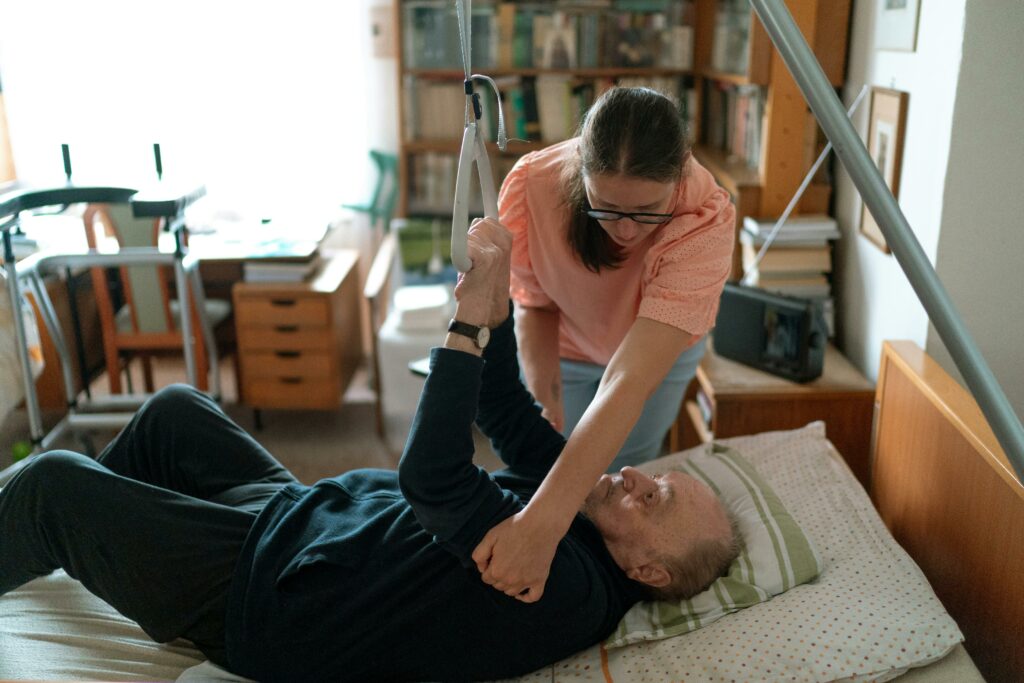
Critical Care Nursing in Hospital Settings
Hospitals remain the primary environment for critical care nursing. These nurses work in:
- Intensive Care Units (ICUs)
- Coronary Care Units (CCUs)
- Trauma units
- Emergency departments
Critical care nurses manage patients requiring mechanical ventilation, invasive monitoring, or complex medication regimens. Their clinical judgment is supported by advanced medical technology and continuous collaboration with multidisciplinary teams.
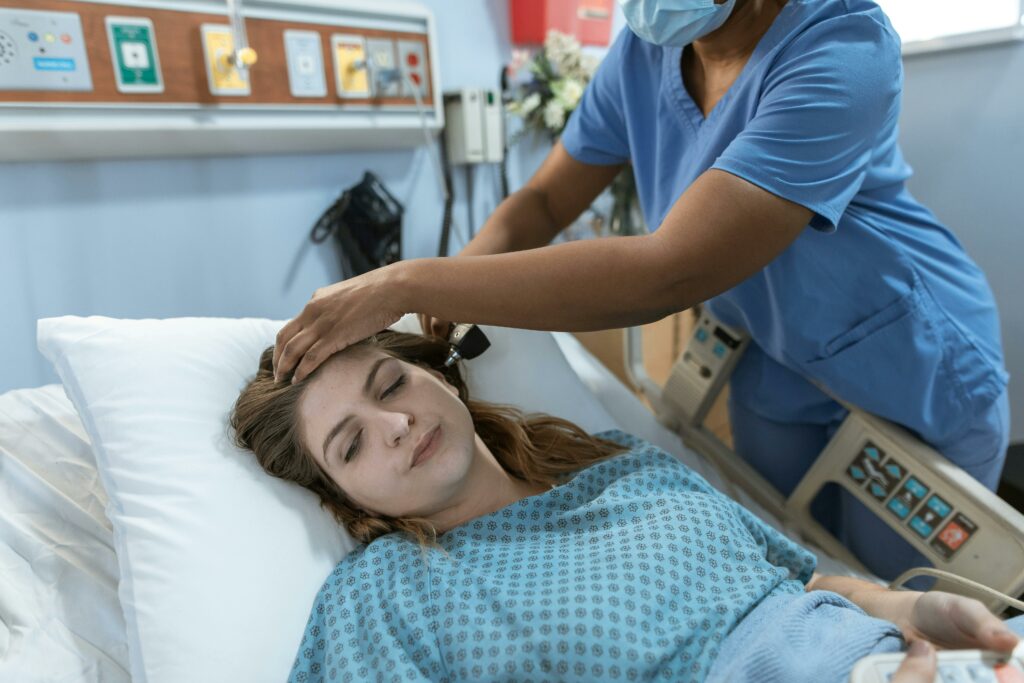
Critical Care Nursing at Home: A Growing Need
Advancements in medical technology and home healthcare have expanded the role of critical care beyond hospital walls. In certain cases, a trained at home nurse with critical care expertise may provide advanced care at home for patients with complex medical needs.
Home-based critical care nursing may include:
- Ventilator support
- Post-ICU recovery care
- Monitoring of high-risk patients
- Palliative and end-of-life care
From healthcare experience, patients receiving critical care at home often benefit emotionally by being surrounded by family while still receiving expert medical support.
Skills and Expertise Required in Critical Care Nursing
Critical care nursing demands a unique combination of technical knowledge, clinical experience, and emotional resilience.
Essential Skills Include:
- Advanced clinical assessment
- Critical thinking and rapid decision-making
- Proficiency with life-support equipment
- Strong communication with families and teams
- Emotional strength and empathy
Healthcare authorities emphasize continuous education and certification to maintain the highest standards of care in critical care nursing.
Trust and Ethics in Critical Care Nursing
Trust is fundamental in critical care. Patients and families rely on nurses during the most vulnerable moments of life.
Ethical principles guiding critical care nursing include:
- Patient dignity and respect
- Informed consent
- Confidentiality
- Evidence-based practice
- Compassionate communication
Experienced critical care nurses build trust through transparency, competence, and consistent care delivery.
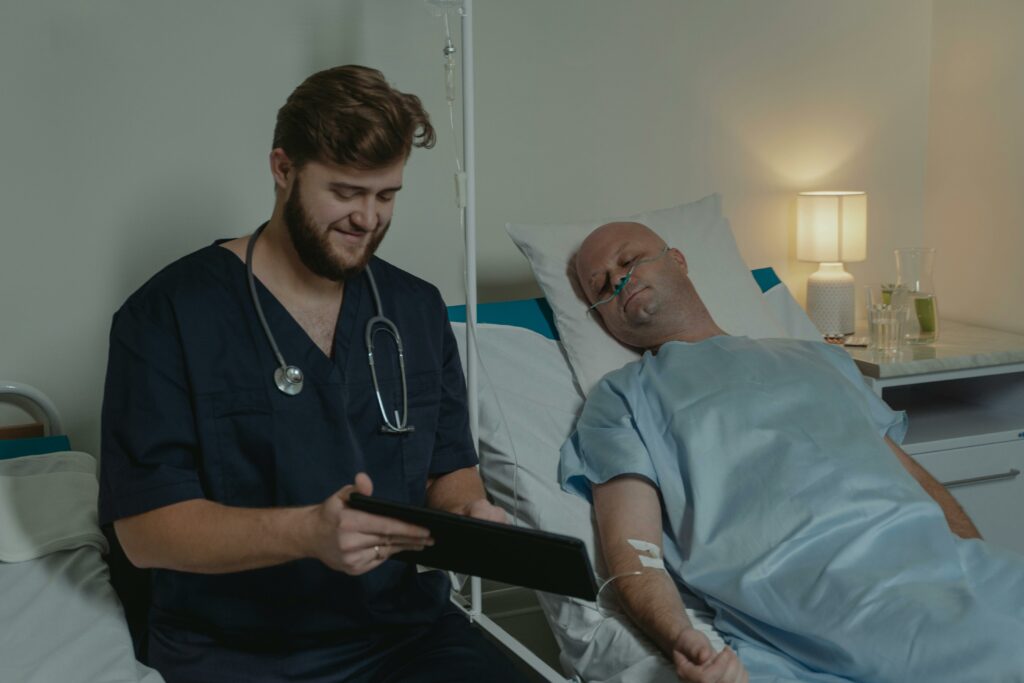
Collaboration with Nurse Practitioners and Medical Teams
Critical care nursing is a team-based discipline. Nurses collaborate with nurse practitioners, physicians, respiratory therapists, and other specialists to deliver integrated care.
This collaboration ensures:
- Faster clinical decision-making
- Reduced medical errors
- Improved patient outcomes
Authoritative medical research consistently highlights teamwork as a key factor in successful critical care environments.
Career Growth and Demand for Critical Care Nursing
The demand for critical care nursing continues to rise due to:
- Aging populations
- Increasing chronic and critical illnesses
- Advances in life-sustaining treatments
Healthcare systems actively seek experienced registered nurses and nurse practitioners trained in critical care. Families also increasingly look for skilled professionals when searching for nurse practitioners near me or specialized at home nurse services.
Supporting Families During Critical Illness
Critical care nursing extends beyond medical treatment. Nurses often support families emotionally, providing updates, education, and reassurance during difficult times.
From experience, families deeply value nurses who communicate clearly, show empathy, and remain available to answer questions during medical crises.
Conclusion
Critical care nursing stands at the heart of life-saving healthcare. Through advanced training, clinical expertise, and compassionate care, critical care nurses, registered nurses, and nurse practitioners work tirelessly to stabilize, treat, and support critically ill patients.
Whether delivered in hospitals or by a skilled at home nurse, critical care nursing ensures that patients receive expert-led, ethical, and trustworthy care when it matters most. As healthcare continues to evolve, critical care nursing will remain an essential pillar of modern medicine.